How Legacy Google Business Profile Content Creates Confusion in Modern Local Search
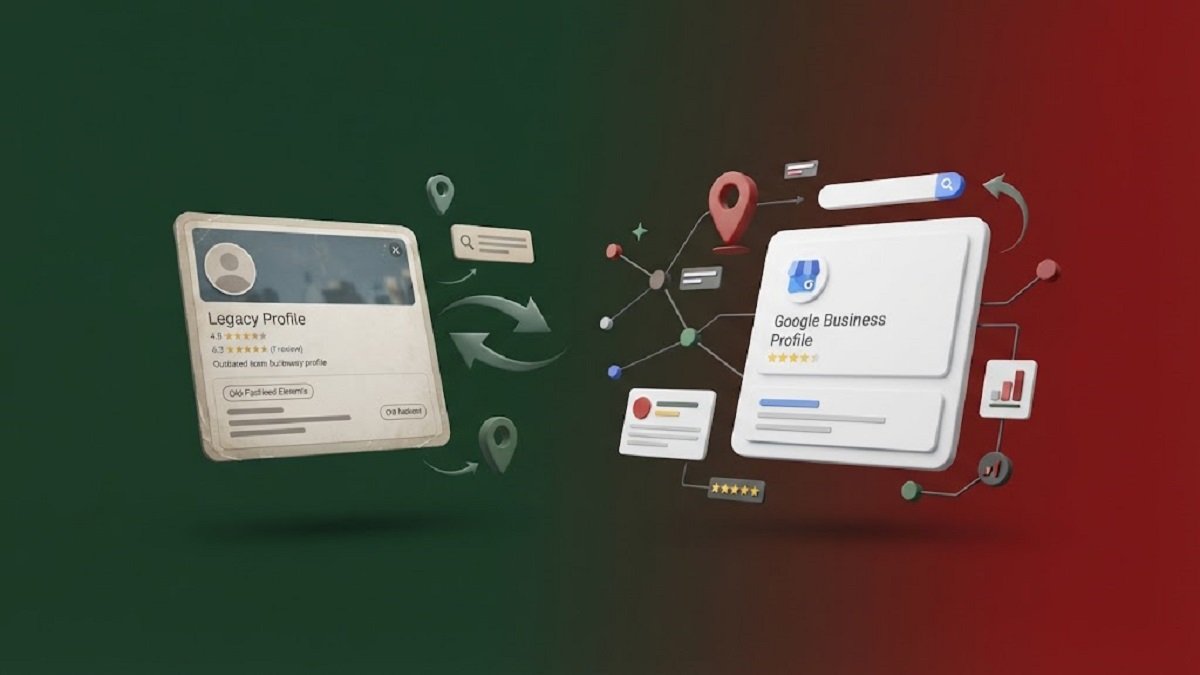
Google Business Profile content plays an important role in how a business is represented in modern local search. When businesses continue using outdated descriptions, services, names, or other legacy information, that content can create confusion for both customers and search engines. Keeping Google Business Profile information accurate and aligned with the current business helps create a clearer and more consistent local search presence.
This creates a simple but important problem: old Google Business content can send mixed signals in modern local search.
A business may have accurate services, updated contact details, and strong customer reviews. But if older content still uses outdated names, descriptions, categories, or location references, the overall digital presence can become inconsistent.
Understanding how legacy content creates confusion can help businesses build a cleaner and more reliable Google Business Profile while supporting a stronger local search strategy.
What Counts as Legacy Google Business Content?
Legacy content includes information created under older Google local business systems, naming conventions, or optimization practices.
For example, businesses may still have:
-
Old references to Google My Business
-
Outdated business descriptions
-
Previous service names
-
Old location information
-
Historical category choices
-
Outdated website references
-
Old promotional content
-
Inconsistent business details across third-party platforms
Not every older piece of content is harmful. Historical content can still provide useful context.
The problem begins when old information conflicts with what the business currently offers.
Why Old Terminology Still Creates Confusion
Google has changed how businesses manage their local presence over time. One of the most visible changes was the transition from Google My Business to Google Business Profile.
The terminology changed, but many websites, directories, blog posts, social profiles, and internal documents continued using the older name.
This creates two different layers of information.
The first layer reflects how the business is currently represented. The second contains older language that may still appear across the web.
For users, this can create uncertainty.
For marketing teams, it can make it harder to maintain a consistent digital presence.
The Difference Between Historical Context and Current Business Information
Older content should not automatically be deleted.
Some historical information may still have value, especially when it documents a business’s development or previous services.
The key is separating historical context from information that customers may interpret as current.
For example, an old article might mention a service that the business no longer provides. If that page remains indexed and continues receiving traffic, potential customers may assume the service is still available.
This is where content management becomes part of modern local SEO.
The goal is not to erase the past. The goal is to make the current business information easier to understand.
How Inconsistent Business Information Creates Search Friction
Local search depends on multiple sources of information.
Google can encounter business details through the company website, business profile, directories, review platforms, social networks, and other online references.
When these sources provide different information, the digital representation of the business becomes less consistent.
Consider a simple example.
A company’s current website lists:
-
Residential roofing
-
Commercial roofing
-
Emergency roof repair
But an older directory profile lists:
-
Roof installation
-
Roofing consultation
-
General construction
Each individual description may appear reasonable.
Together, however, they create a less precise picture of what the company currently does.
That distinction matters because modern search is increasingly focused on context, relevance, and entity understanding.
Old Business Descriptions Can Misrepresent Current Services
Business descriptions often remain unchanged for years.
A company may have expanded its services, changed its target market, or stopped offering certain products. Yet the original description can continue appearing online.
This creates a content mismatch.
For example, a local marketing agency that once focused primarily on social media management may now specialize in technical SEO, paid advertising, and AI automation.
If its older business descriptions still emphasize only social media services, potential customers may receive an incomplete picture.
Updating the current Google Business Profile description and supporting web content helps create a more consistent representation.
Outdated Categories Can Create a Different Problem
Business categories provide important context about what a company does.
However, categories selected years ago may no longer represent the business accurately.
A business can evolve.
A company that started as a traditional advertising agency may later become a specialized digital marketing consultancy. If its category structure and supporting content remain tied to its original positioning, the online profile may not accurately reflect its current business model.
This does not mean businesses should constantly change categories.
Instead, category choices should reflect the business as it operates today.
Legacy Content Can Also Affect Customer Expectations
Search visibility is only one part of the issue.
Customers also interact with the information they find.
Imagine someone discovers an old service page through search. They read about a service, visit the company website, and then discover that the service is no longer available.
The result is a poor customer experience.
This can lead to:
-
Unqualified inquiries
-
Confused customers
-
Lower conversion rates
-
More support questions
-
Lost opportunities
-
Reduced trust
In other words, outdated content can create a gap between search visibility and business reality.
The Role of Website Content in Local Search Consistency
A Google Business Profile should not exist in isolation.
The business website provides deeper information about services, locations, expertise, and brand identity.
When the website and business profile communicate different messages, users may struggle to understand which information is current. A consistent approach to local SEO can help businesses align these important source of information.
A stronger approach is to align the major information sources around the same business reality.
That includes:
-
Business name
-
Primary services
-
Service areas
-
Contact information
-
Business descriptions
-
Core offerings
-
Brand positioning
Consistency does not require every platform to use identical wording.
Instead, the important facts and business meaning should remain aligned.
Why Legacy Content Should Be Audited Instead of Ignored
Many businesses update their current profiles but never review older content.
That creates an incomplete optimization process.
A useful content audit can identify pages and profiles that still contain:
-
Old business names
-
Previous services
-
Outdated addresses
-
Incorrect phone numbers
-
Former website URLs
-
Old category descriptions
-
Discontinued offers
-
Inconsistent service terminology
Once identified, each item can be evaluated.
Some content may need updating.
Some may need redirecting.
Some may need removal.
Others may simply need clearer historical context.
A Practical Framework for Cleaning Up Legacy Content
Businesses can approach legacy content systematically.
1. Identify the Current Business Reality
Start by documenting what the business offers today.
Define the current services, locations, target customers, contact details, and brand positioning.
This becomes the reference point for the audit.
2. Review Major Business Profiles
Check the current Google Business Profile and other important business listings.
Look for outdated information that could conflict with the current business model.
3. Audit the Website
Review important pages, especially service pages, location pages, contact pages, and older blog content.
Pay attention to information that customers may interpret as current.
4. Review Third-Party Listings
Directories and business platforms can contain information that businesses have forgotten about.
Check important listings for outdated names, addresses, phone numbers, and services.
5. Update or Remove Conflicting Information
Not every old page needs to disappear.
The correct action depends on its purpose, traffic, value, and relationship to current content.
6. Monitor the Digital Ecosystem
Content cleanup should not be treated as a one-time task.
Businesses change.
Services change.
Locations change.
Customer expectations change.
Regular reviews help keep the digital presence aligned with the real business.
Legacy Content Is More Than a Branding Problem
It is tempting to treat outdated business information as a simple branding issue.
In reality, it can influence several parts of the customer journey.
A potential customer may discover a business through search, review a business profile, visit the website, compare services, and finally contact the company.
If each stage presents slightly different information, the customer has to resolve the inconsistency themselves.
That creates unnecessary friction.
Modern local search is not simply about appearing in front of customers. It is also about presenting a clear and trustworthy business entity across the digital ecosystem.
Modern Local Search Requires Current Context
Search behavior continues to become more contextual.
Users are not always searching with simple business-category keywords. They may search for specific services, locations, problems, or situations.
This means businesses need content that clearly communicates:
Who they are, what they offer, where they operate, and why their services are relevant.
Legacy content can weaken that clarity when it reflects an older version of the business.
The solution is not to constantly rewrite everything.
It is to make sure the most important information accurately represents the business today.
Building a Cleaner Google Business Profile Strategy
A strong Google Business Profile strategy starts with accurate information.
Businesses should regularly review their profile, website, services, categories, photos, customer-facing information, and supporting content.
The objective is consistency rather than repetition.
Your website does not need to copy your profile.
Your social media pages do not need to use identical descriptions.
Your directory listings do not need to contain the same paragraph.
But the underlying business facts should make sense across all major sources.
The Bigger Lesson for Local SEO
Legacy Google Business content highlights a broader issue in local search.
Search visibility is increasingly connected to how clearly a business is represented across multiple digital sources.
That means businesses should think beyond individual profile updates and take a broader local SEO approach.
A complete local search strategy should consider the relationship between:
-
Business profiles
-
Website content
-
Service information
-
Local citations
-
Reviews
-
Brand references
-
Historical content
-
Customer-facing messaging
When these elements support the same current business identity, customers can understand the company more easily.
Final Takeaway
Legacy Google Business content does not automatically become a problem simply because it is old.
The real issue is conflicting or misleading information that no longer represents the business accurately.
Businesses can reduce this confusion by auditing older content, updating important profiles, reviewing website information, and keeping major digital references aligned with the current business.
A well-managed Google Business Profile is only one part of that process.
The bigger objective is to create a consistent digital representation of the business—one that helps both search users and potential customers understand what the company actually offers today.