The Hidden Relationship Between Brand Demand and Non-Branded Search Visibility
Brand demand and non-branded search visibility are closely connected parts of a modern search strategy. While branded searches come from people who already know a business, non-branded searches introduce that business to potential customers who are still exploring their options. Understanding this relationship can help businesses build stronger search visibility and create more sustainable organic growth.
One important factor is the relationship between brand demand and non-branded search visibility.
Branded searches happen when people already know a business, product, or service. Non-branded searches happen when users search for a solution without naming a specific company. These two types of search are different, but they can influence each other over time.
Understanding that relationship can help businesses build a stronger search presence and create more sustainable organic growth.
What Is Brand Demand?
Brand demand refers to the level of interest people have in a specific business or brand.
For example, a user may search for:
-
“Nike running shoes”
-
“HubSpot CRM”
-
“Kolom Academy”
-
“Apple MacBook”
These are branded searches because the user already has a specific brand in mind.
Brand demand can come from many sources. Advertising, social media, referrals, public relations, content marketing, and customer experiences can all increase awareness.
As brand awareness grows, more people may search for the brand directly.
But brand demand does not exist separately from broader search behavior.
What Is Non-Branded Search Visibility?
Non-branded search visibility refers to how often a business appears when users search for general topics, services, products, or problems without mentioning the brand.
Examples include:
-
“best digital marketing agency”
-
“local SEO services”
-
“CRM software for small businesses”
-
“website design company”
These searches usually represent users who are still evaluating their options.
A business that consistently appears for relevant non-branded searches can reach potential customers before they have decided which company to choose.
That makes non-branded visibility an important part of demand generation.
Why Brand Demand and Non-Branded Visibility Are Connected
At first, branded and non-branded searches may appear unrelated.
They are not.
A user may first discover a company through a non-branded search. Later, that same user may search for the company by name before making a decision.
The process can also work in the opposite direction.
A person may discover a brand through advertising or social media, become familiar with it, and later search for the brand alongside a service or product category.
This creates a broader search journey:
Discovery → Brand Awareness → Evaluation → Branded Search → Conversion
Search visibility can therefore influence brand demand, while growing brand demand can create more opportunities for future search visibility.
Non-Branded Search Can Introduce a Brand Earlier
Non-branded search often reaches users before they have developed strong brand preferences.
Consider someone searching for:
“local SEO services for small businesses”
They may not know which agency they want.
If a business appears with a useful article, service page, case study, or other relevant result, that business becomes part of the user's consideration set.
The user may not convert immediately.
Instead, they may remember the company, visit the website later, search for the brand name, or compare it with other providers.
This is why search visibility should not always be evaluated only through immediate conversions.
Brand Demand Can Strengthen Search Behavior
Growing brand recognition can also change how people search.
Once users become familiar with a company, their searches may become more specific.
For example:
Generic search:
“SEO agency for local businesses”
Branded search:
“ABC SEO agency”
Branded commercial search:
“ABC SEO agency local SEO services”
The searcher has moved from category-level discovery toward brand-specific evaluation.
This shift can create valuable signals for marketers because it shows that awareness and search intent are becoming more connected.
Why Rankings Alone Do Not Tell the Full Story
A business may rank well for several non-branded keywords and still have limited brand demand.
Another business may have strong brand recognition but weaker visibility for competitive non-branded searches.
Looking at only one side can produce an incomplete picture.
A stronger analysis considers several layers:
-
Branded search demand
-
Non-branded impressions
-
Search visibility
-
Organic traffic
-
Engagement
-
Returning visitors
-
Branded conversions
-
Non-branded conversions
Together, these metrics can reveal how awareness and search visibility interact.Businesses should evaluate brand demand and non-branded search visibility together because both can reveal different parts of the customer journey. Strong brand demand and non-branded search visibility can help a business reach people who are discovering a category for the first time as well as users who already recognize the brand. When marketers compare branded searches, non-branded impressions, organic clicks, and branded conversions, they can better understand how brand demand and non-branded search visibility contribute to overall search performance. This broader view makes it easier to identify whether growing search exposure is also creating stronger brand recognition and commercial interest.
The Role of Content in Connecting Both
Content can act as a bridge between brand demand and non-branded search visibility.
A strong content strategy does more than target individual keywords.
It builds topical relevance around the problems, questions, and commercial needs of a target audience.
For example, a company offering local marketing services might publish content around:
-
Local search visibility
-
Google Business Profile performance
-
Local ranking factors
-
Service-area competition
-
Local customer acquisition
-
Search-to-lead measurement
A user may discover the company through one informational topic and later explore its services.
This creates multiple entry points into the brand.A strong search strategy connects brand demand and non-branded search visibility across different stages of the customer journey. When brand demand and non-branded search visibility grow together, businesses can create more opportunities for discovery, evaluation, and repeat searches. Tracking brand demand and non-branded search visibility over time also helps marketers understand whether their SEO efforts are expanding both reach and brand recognition.
Search Visibility Can Influence Brand Recall
Repeated exposure can also affect how users remember a business.
Imagine a company appearing in search results across several related topics.
A user may see the same brand while researching different questions.
Even if the user does not click every time, repeated visibility can increase familiarity.
Later, when that person needs a service, the familiar brand may become part of the consideration process.
This does not mean search visibility automatically creates conversions. However, consistent exposure can become one part of a broader brand-building strategy.
Local SEO Makes This Relationship More Important
For businesses serving specific geographic markets, the connection between brand demand and non-branded visibility can be especially important.
Users may search for services using geographic modifiers , and local SEO helps businesses build visibility for these location -focused searches.
-
“dentist near me”
-
“local SEO agency”
-
“plumber in Brooklyn”
-
“HVAC company near me”
These searches often involve strong commercial intent.
A business that appears consistently for relevant local searches can introduce its brand to customers who may have never encountered it before.
Over time, those users may return through branded searches or direct visits.
This is one reason local SEO should be viewed as more than a ranking activity. It can support the broader relationship between discovery, brand recognition, and customer demand.
Measuring the Relationship More Effectively
Businesses should avoid relying on a single SEO metric.
Instead, compare branded and non-branded performance over time.
Useful measurements include:
1. Branded Search Growth
Track whether searches containing the brand name are increasing.
2. Non-Branded Visibility
Monitor impressions and rankings for relevant category and service terms.
3. Search-to-Visit Behavior
Look at how users move from search results to website visits.
4. Returning Organic Visitors
Returning visitors can provide additional context around brand familiarity.
5. Conversion Differences
Compare how branded and non-branded visitors behave after reaching the website.
6. Query Expansion
Look for changes from broad category searches to more specific brand-related searches.
These measurements can reveal patterns that basic ranking reports often miss.
A More Complete Search Growth Model
A mature search strategy should connect visibility with demand.
Instead of thinking:
Keyword → Ranking → Click
consider a broader model:
Search Exposure → Discovery → Brand Recognition → Consideration → Branded Search → Conversion
This model recognizes that search can influence users at different stages of the decision process.
Not every search creates an immediate transaction.
Some searches create awareness first.
Others support evaluation.
Some bring users back after they already know the brand.
Why This Matters for Long-Term Growth
Short-term SEO performance can change quickly.
A ranking may move. Search volume may fluctuate. A competitor may publish stronger content.
Brand demand provides another layer of resilience.
When people actively recognize and search for a business, the company is no longer dependent on discovery through generic queries alone.
At the same time, strong non-branded visibility continues to introduce the brand to new audiences.
That creates a valuable feedback loop:
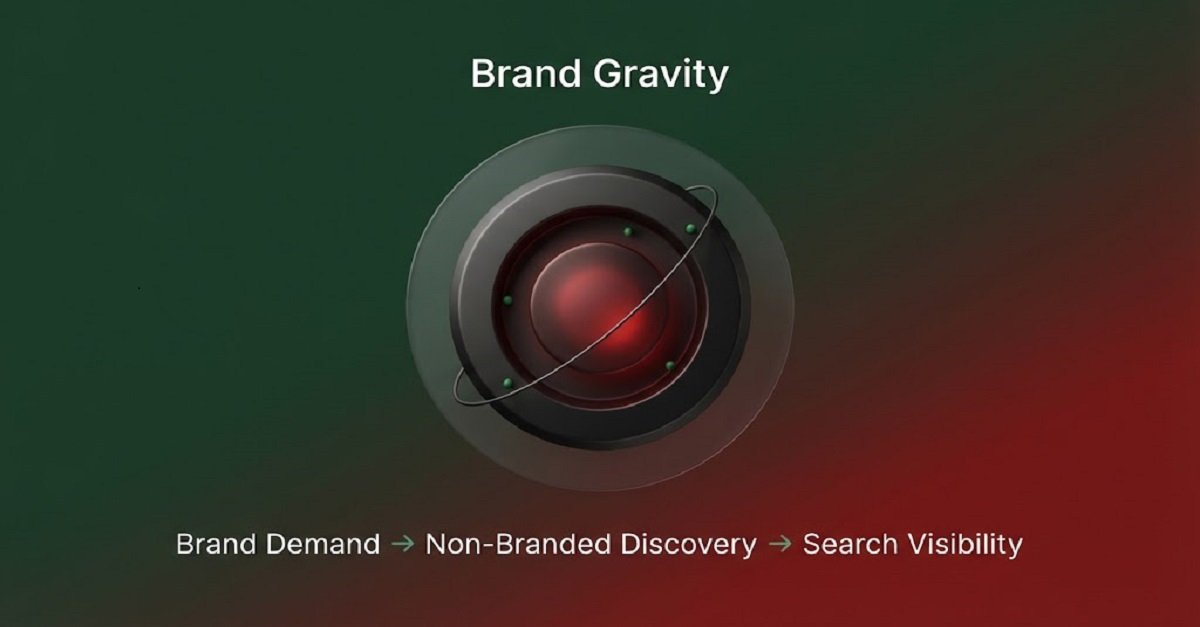
Non-Branded Visibility → Brand Discovery → Brand Demand → More Branded Searches → Stronger Market Recognition
The relationship is not automatic, and search visibility alone cannot guarantee business growth.
But understanding the connection allows marketers to evaluate SEO from a broader business perspective.
Final Perspective
Brand demand and non-branded search visibility should not be treated as completely separate SEO metrics.
Non-branded visibility can introduce a company to new audiences, while growing brand recognition can influence how those audiences search, evaluate, and return to the business.
The real opportunity is to build both sides together.
Businesses that connect search visibility, brand demand, content relevance, and customer intent can develop a more complete view of how organic search contributes to growth.
SEO is not only about being found.
It is also about becoming recognizable enough to be searched for again.